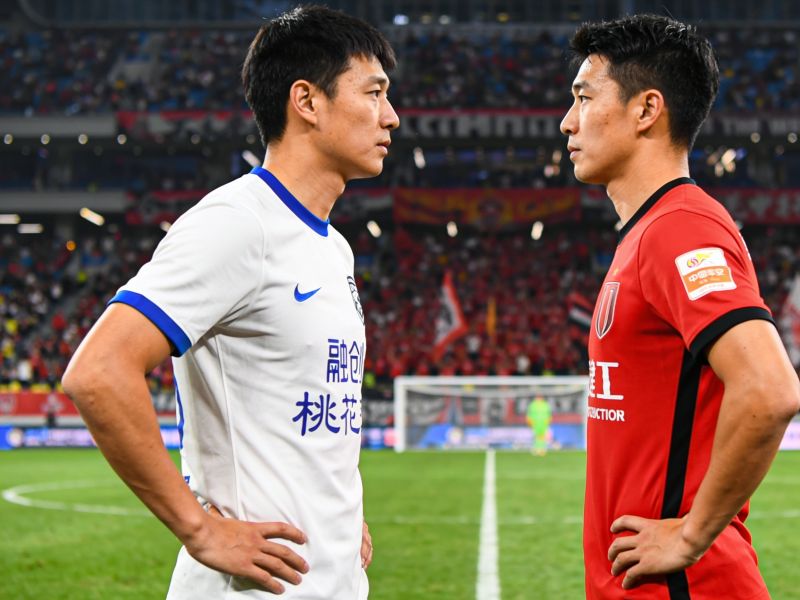
Maya Yoshida discusses conflict with Saudi fans after tense football exchange
Maya Yoshida discusses conflict with Saudi fans after a tense football exchange that drew attention beyond the match itself. The former Japan captain described the incident as an emotional confrontation rather than a serious security threat, saying the atmosphere became difficult when criticism from the stands turned personal. Maya Yoshida discusses conflict with Saudi fans in the context of a football culture where intense support is common, but where the line between pressure and abuse can become blurred quickly. His account has prompted fresh debate about how players should respond when crowd reactions move from loud disagreement to direct confrontation.The exchange reportedly developed during a match involving Yoshida and supporters who were unhappy with a decision on the field. No major injury or formal disciplinary action has been publicly linked to the episode, yet the moment stayed with the defender because of how rapidly the mood changed. Maya Yoshida discusses conflict with Saudi fans without presenting himself as an innocent observer who simply endured hostility. He acknowledged that players can provoke a reaction through gestures, arguments with officials, or attempts to slow the game. Still。Maya Yoshida discusses conflict with Saudi fans by drawing a clear distinction between competitive noise and conduct that targets a player personally. That distinction matters in stadiums where language, gestures and physical proximity can make a routine dispute feel much more threatening.Yoshida’s comments also reflect the experience of a player who has spent much of his career moving between football cultures. He has played in Japan, the Netherlands, England, Italy, Germany and the United States, and each country has its own accepted level of confrontation. In Japan。direct abuse from the crowd is often less visible;
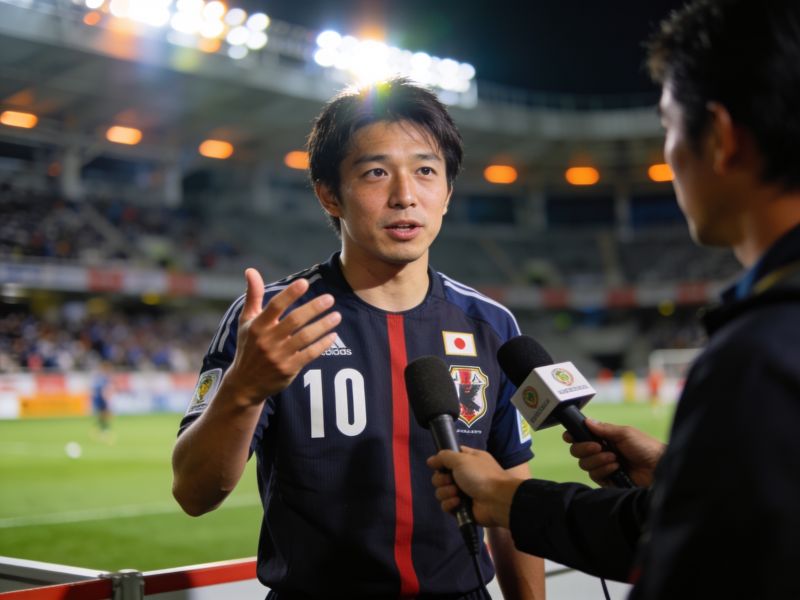
in parts of Europe, sustained chanting and personal insults are treated as an ordinary part of the match. Maya Yoshida discusses conflict with Saudi fans against that broad international background, rather than reducing the episode to a simple clash between one player and one country. His point appears to be that cultural differences should encourage awareness, not excuses. Maya Yoshida discusses conflict with Saudi fans in a measured way, avoiding language that could turn an isolated incident into a judgment on an entire supporter community.The response from fans has been mixed. Some supporters argue that elite players must accept harsh treatment because football is built on passion, rivalry and provocation. Others say that paying for a ticket does not create a licence to intimidate someone on the pitch. Maya Yoshida discusses conflict with Saudi fans at the centre of that disagreement, particularly because he has long been regarded as a calm and communicative figure in Asian football. His reputation makes the remarks more significant: he is not known for turning every argument into a public complaint, and his comments have been interpreted as an appeal for restraint rather than an attack on Saudi football. Maya Yoshida discusses conflict with Saudi fans as a problem of boundaries。
a subject increasingly raised by players who believe stadium authorities should act before verbal abuse escalates.There is also a practical lesson for clubs and tournament organisers. Security staff cannot wait for a confrontation to become physical before intervening, while players need clear channels for reporting abuse without appearing to challenge supporters directly. Maya Yoshida discusses conflict with Saudi fans in a way that highlights the gap between the spectacle promoted by football and the risks created by uncontrolled hostility. Maya Yoshida discusses conflict with Saudi fans, but the larger issue reaches well beyond this single episode: players are expected to perform under extreme pressure while remaining composed。even when the people closest to them are attempting to provoke a reaction. The incident may fade from headlines, yet the debate it triggered is unlikely to disappear. For Yoshida, the central message is straightforward. Passion belongs in football, but personal intimidation should not be treated as part of the ticket price.
Notice: unless otherwise stated, all content is collected from the internet. If it infringes your rights, please contact us for removal.